

The Great Sea Interconnector: What It Could Mean for Cyprus Property
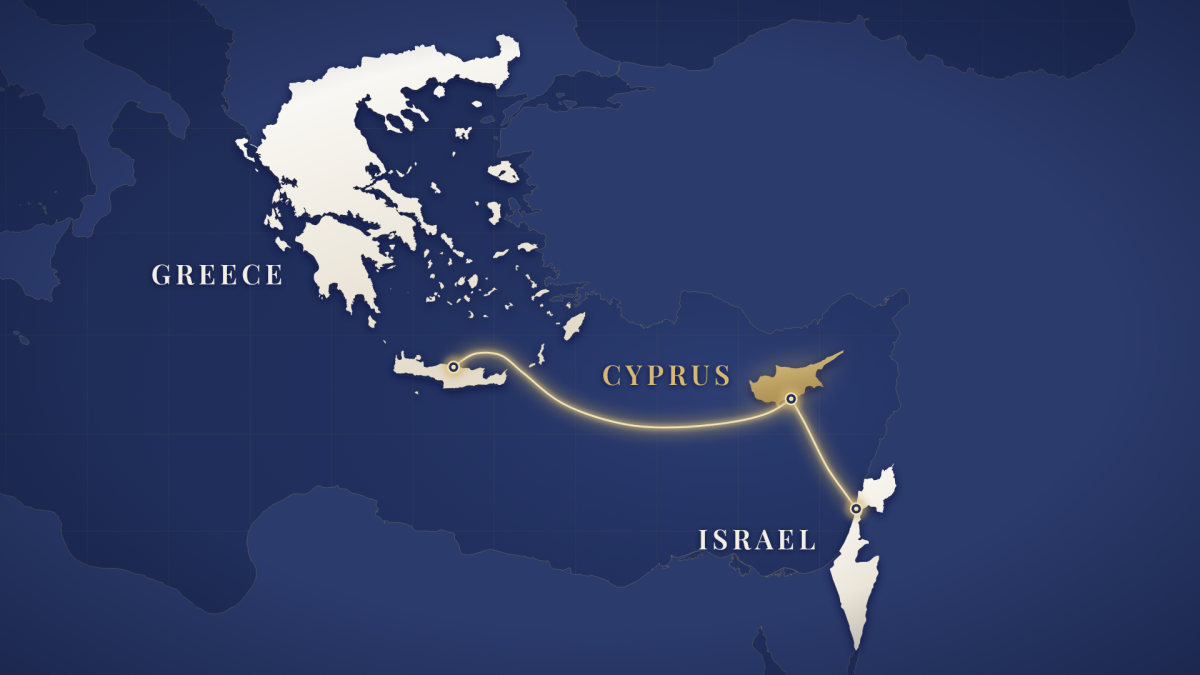
Cyprus remains the only EU member state without an electricity connection to another country.
The Great Sea Interconnector is meant to change that. The planned subsea cable would connect Cyprus with Crete and later Israel, with 1,000 MW of transmission capacity.
It is not yet certain the cable will be built. Cost, financing and geopolitics are still under debate, and Cyprus and Greece have asked the European Investment Bank for an updated study before deciding how to proceed.
For property, the key question is not whether electricity suddenly becomes cheap.
It is whether Cyprus becomes a more resilient and predictable location for energy-dependent businesses.
Electricity already matters directly to real estate. Hotels, offices, logistics and industrial properties can carry significant energy costs, which affect operating expenses and ultimately asset performance. Eurostat data show businesses in Cyprus paid €24.29 per 100 kWh in the second half of 2025. The EU average was €18.37. Only Ireland was higher.
For now, buyers should not price in future savings. If the project goes ahead, completion is expected around the end of 2031 and final costs remain uncertain. Energy Minister Michalis Damianos has said current calculations show the project raising the price per kilowatt-hour. Cypriot consumers carry 63 per cent of the cost.
So the property itself still matters more: EPC, insulation, photovoltaics, cooling systems and actual running costs.
Longer term, however, a connection to neighbouring electricity markets could improve security of supply and make Cyprus more attractive for energy-intensive businesses.
The planned Israel connection adds another dimension, although it is too early to assume direct relocation or property demand from the project itself.
The main risks remain cost, delay and geopolitics. Foreign Minister Constantinos Kombos said in late September that Turkey is blocking the project over maritime claims, which makes timing one of the biggest uncertainties.
What this means in practice:
- Buyers: assess the building as it operates today.
- Sellers: present energy efficiency and documented running costs clearly.
- Investors: look at energy intensity, not just rent.
- Developers: treat energy performance as a competitiveness issue, not just a sustainability feature.
The Great Sea Interconnector is not yet a reason to buy, sell or wait.
But it could eventually change which properties — and which businesses — make sense in Cyprus.
Delfi Properties follows these developments and what they mean for individual assets.
What's your read?